
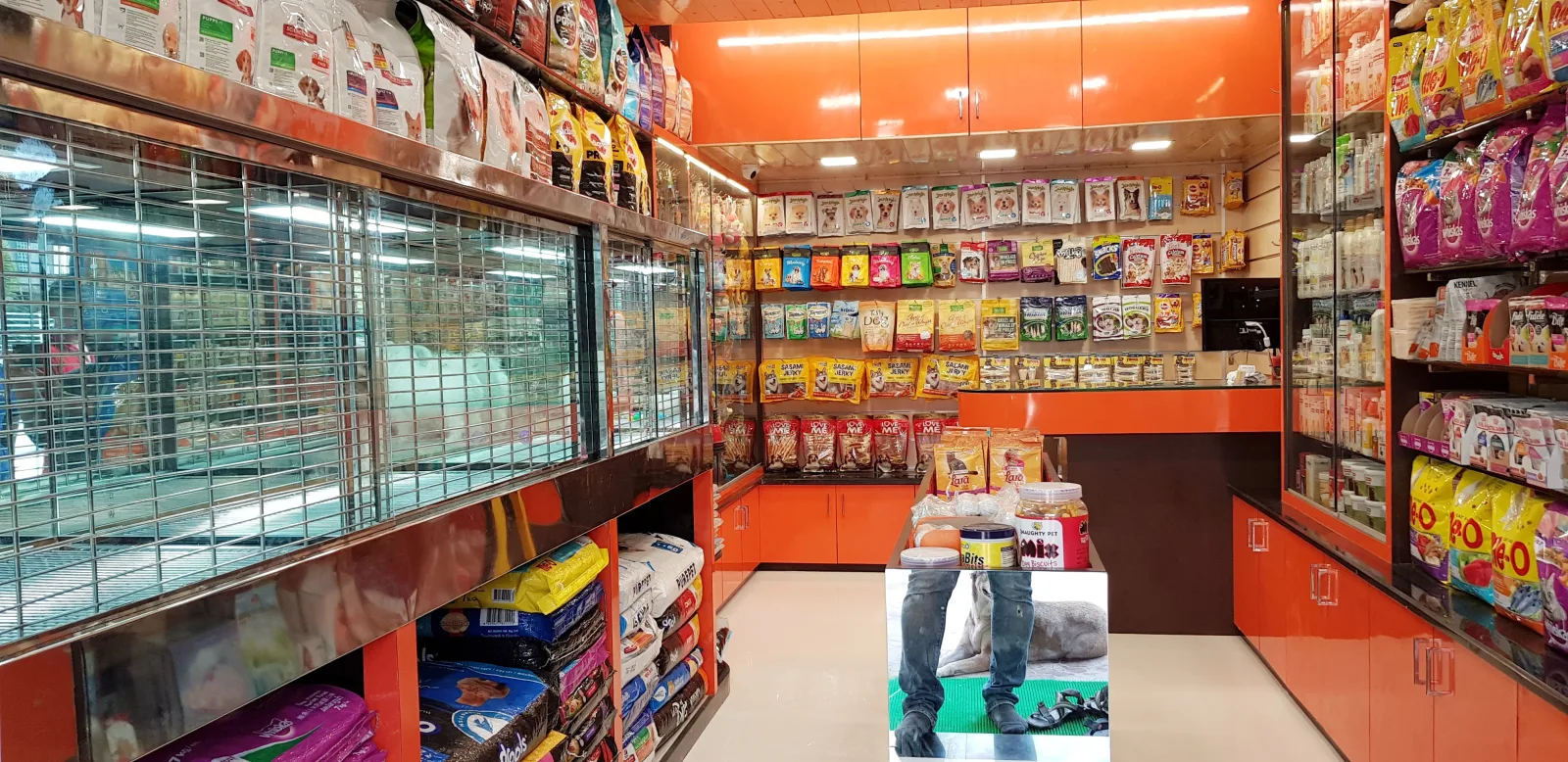
Understanding Your Pet's Nutritional Needs
As dedicated pet parents in Navi Mumbai, we know you want the very best for your furry, feathered, or scaled companions. One of the most crucial aspects of their well-being is their diet. At Dogs 'N' Pups, we understand that navigating the world of pet food can be overwhelming with so many options available. That's why we're here to help you make informed choices. The first step is understanding that different pets have different nutritional requirements. A growing puppy has very different needs than a senior cat, and a bird requires a completely different diet than a reptile. Factors like age, breed, activity level, and any specific health conditions all play a significant role in determining the ideal food for your pet. Our team is always happy to discuss these individual needs with you.
Decoding Pet Food Labels: What to Look For
When you're in our store, whether it's our Kharghar branch or any of our other locations across Navi Mumbai, you'll see a wide variety of pet food. To help you choose, here's a quick guide to understanding what those labels mean:
- Ingredient List: Look for whole, recognizable ingredients at the top of the list. For dogs and cats, this often means a named meat source like "chicken" or "lamb" rather than vague terms like "meat by-products."
- Guaranteed Analysis: This section provides the minimum percentages of crude protein and fat, and the maximum percentages of crude fiber and moisture. Higher protein content is generally beneficial for active pets.
- AAFCO Statement: Look for a statement from the Association of American Feed Control Officials (AAFCO) indicating that the food is "complete and balanced" for a specific life stage (e.g., "for all life stages," "for growth," "for adult maintenance").
- Nutritional Adequacy: Ensure the food is formulated for your pet's specific species and life stage. Puppy food is different from adult dog food, and kitten food is different from adult cat food.
Dry Food vs. Wet Food: Pros and Cons
Both dry kibble and wet (canned) food have their advantages, and the best choice often depends on your pet's preferences and your lifestyle. Dry food is convenient, can be left out for grazing (though portion control is still important!), and can help with dental hygiene by reducing tartar buildup. On the other hand, wet food has a higher moisture content, which is excellent for pets who need to increase their water intake, and it often has a more appealing aroma and taste, making it a good option for picky eaters. Many pet owners also choose to feed a combination of both to offer variety and ensure their pet receives a balanced intake of nutrients.
Beyond the Basics: Special Dietary Needs
At Dogs 'N' Pups, we cater to a wide range of pets, including those with special dietary requirements. If your pet has allergies, sensitivities, or specific health concerns like kidney disease or diabetes, it's crucial to consult with a veterinarian. Our on-site vet clinic, staffed by qualified professionals, is here to provide expert advice. We can help you select specialized diets designed to manage these conditions, ensuring your pet stays healthy and happy. Don't hesitate to book a consultation with Dr. Snehal P. Saudagar or one of our other vets to discuss your pet's unique nutritional journey.
The Importance of Quality Ingredients
At Dogs 'N' Pups, we believe that the foundation of a healthy pet is built on high-quality ingredients. Just like us, our furry companions thrive when they receive the best nutrition. When you're choosing a pet food, pay close attention to the ingredient list. Look for whole, recognizable ingredients like real meat, poultry, or fish as the first few items. These provide essential proteins and amino acids that are crucial for muscle development, energy, and overall well-being.
Avoid foods that rely heavily on fillers like corn, wheat, or soy, especially if your pet has sensitivities. While these can provide some nutrients, they are often less digestible and can contribute to allergies or digestive upset. Instead, opt for foods that include beneficial carbohydrates like sweet potatoes or peas, and don't forget about healthy fats and essential vitamins and minerals.
Here’s a quick checklist for quality ingredients:
- Named Meat Source: Look for "chicken," "beef," "lamb," or "fish" as the primary ingredients.
- Whole Grains or Vegetables: Brown rice, oats, sweet potatoes, and peas are good sources of fiber and nutrients.
- Healthy Fats: Ingredients like chicken fat or fish oil provide essential fatty acids for skin and coat health.
- Vitamins and Minerals: Ensure the food is fortified with essential nutrients for overall health.
Transitioning Your Pet to a New Food
Switching your pet's food too quickly can lead to an upset stomach. We recommend a gradual transition over 7-10 days to allow your pet's digestive system to adjust. This approach minimizes the risk of digestive distress, such as vomiting or diarrhea.
Start by mixing a small amount of the new food with their current food. Gradually increase the proportion of the new food while decreasing the old food each day.
Here’s a sample transition schedule:
- Days 1-3: 75% old food, 25% new food
- Days 4-6: 50% old food, 50% new food
- Days 7-9: 25% old food, 75% new food
- Day 10 onwards: 100% new food
Observe your pet closely during the transition. If you notice any signs of digestive upset, slow down the process or consult with us at Dogs 'N' Pups for personalized advice.
Contact Dogs 'N' Pups (The Pet Shop)
- Mobile: +91 88998 89912
- Payment methods: Visa, Mastercard, Cash, UPI